Conservatory Roof Coventry
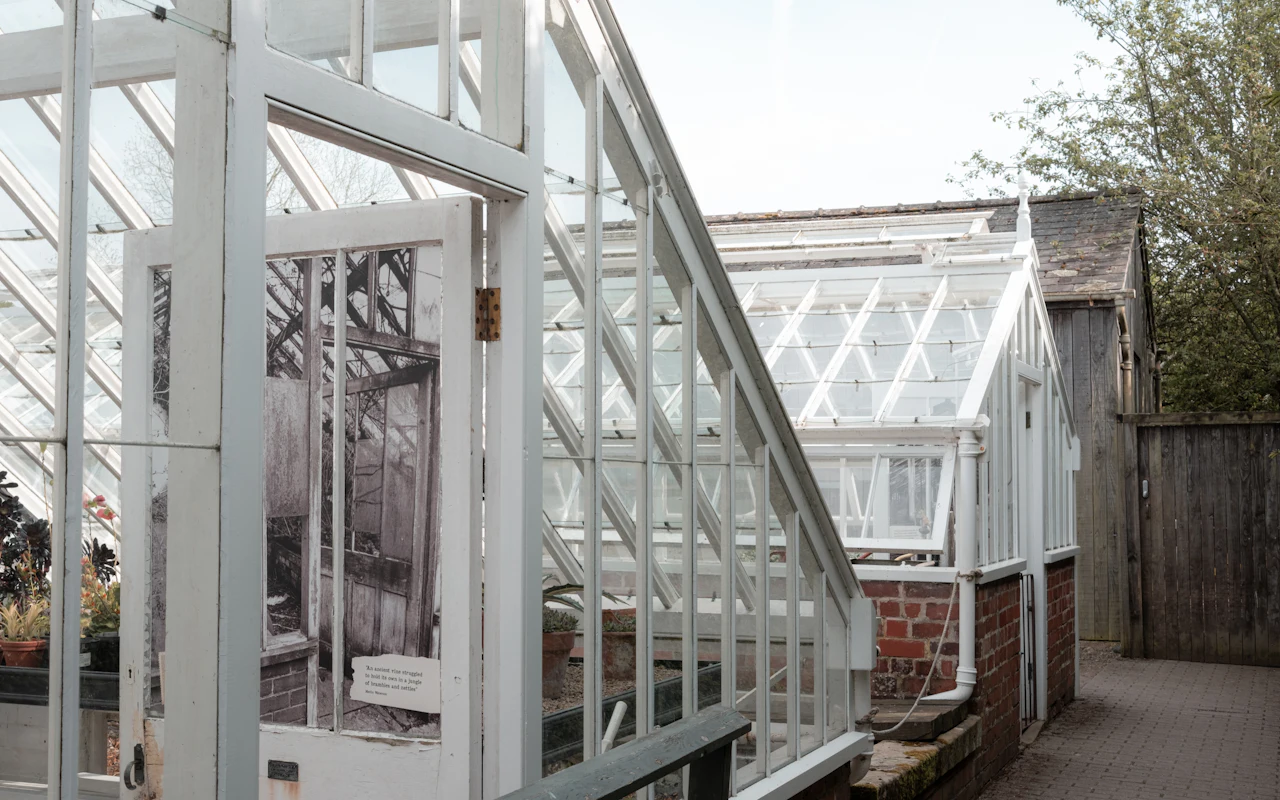
White-framed glass roofs and walls of two glasshouses on low brick walls, beside a wooden fence

Conservatory Roof Options in Coventry: Tiled, Glass or Polycarbonate

Three roofs can go on the conservatory you already have. Each fixes a different problem, so the best one depends on what drives you out of the room now.

The three roofs side by side

This table is the short version. The sections underneath give the reasons, because a roof that is right for one house can be a poor choice for the one next door.

Ask yourselfTilesGlassPolycarbonate
How long it lastsLongest of the three, much like a house roofA long time, though unit seals can give upShortest; the plastic yellows and turns brittle
A July afternoonFar cooler, as the insulation blocks the sunEasier than an old roof with solar-control unitsUsually the warmest room in the house
A January eveningStays warm, about as well as your loungeReasonable with modern sealed unitsLoses warmth fast
DaylightLowest; it arrives through the side windows, a lantern or roof windowsPlenty, almost like sitting outdoorsSoft and diffused, dimmer as sheets age
Heavy rainBarely heardNoticeableA real racket
Load on framesBy far the most; frames and base need checkingIn betweenVery little
Forms to fill inBuilding Regulations approvalNormally none if like for likeNormally none if like for like

General comparisons, not measurements. Results depend on the products and on how the roof is fitted.

Tiled warm roof

Also called a solid roof. A lightweight frame is filled with insulation, covered with a breathable membrane and lightweight tiles or slates, and finished with a plastered ceiling inside.

Why people choose it: it turns a room that is only comfortable in spring and autumn into one you can use in January and July. You also lose the glare on a television or laptop screen, and the drumming of rain.

What to weigh up: it is the dearest option and it is heavy. The fitter has to be sure the existing frames, the door supports and the base can carry the extra load, and an inspector will ask the same question. If they cannot, strengthening comes first.

Light: the room will be darker than before. Setting a lantern into the roof, or two opening skylights, brings some of it back, as does a white or pale ceiling. Many owners find a slightly darker room is a fair trade for one they actually sit in.

See what one costs on the conservatory roof price guide, and how approval works on the building control page.

Glass roof

Sealed double-glazed units in place of the old panels. Modern units can be coated to reflect some summer sun and hold in more heat in winter.

Why people choose it: the room stays bright and open to the sky, which is the whole point of a conservatory for many people, and it costs a good deal less than a tiled roof.

What to weigh up: even good glass will not make a south-facing room as cool as an insulated roof, so ask about solar-control glass if heat is your complaint. Self-cleaning coatings are available too, handy when the only way up is a long ladder.

As a like-for-like swap on an existing conservatory it does not usually need Building Regulations approval, because the room stays a conservatory.

New polycarbonate sheets

Multiwall plastic sheets, often thicker and better at keeping heat in than the ones fitted years ago, set into the existing glazing bars.

Why people choose it: it is the least expensive way to stop leaks and clear the cloudy, stained look of an old roof, and it is light enough for almost any frame.

What to weigh up: polycarbonate is noisy in rain and does far less than glass or tiles about heat and cold. It also has the shortest working life of the three, so it suits a room you are happy to keep as a seasonal space.

Weight, frames and the questions to ask

The roof you want and the roof your conservatory can carry are not always the same thing. Swap polycarbonate for tiles and the weight on the structure goes up many times over, and every kilo of it travels down through the frames into the base.

Before you agree to anything, ask the fitter a few direct questions, and listen for answers that come from what they actually saw rather than a script.

  • Have you checked the frames and the base? A good surveyor looks at the cills, the corner posts and any sign of the base moving.
  • Where does the weight go? They should be able to explain how the new roof is supported, including over the doors.
  • Who handles building control? For a solid roof, ask whether the application and fee are in the price.
  • What happens to the old roof? Removal and disposal should be clear in the quote.

If those answers are vague, it is fair to ask for them in writing before you compare prices.

Not sure which roof? Ask a local fitter

Once a roof firm has looked over your frames and base, it can say which of the three is realistic before you commit to anything.

Our part is small: we pick out one conservatory roof firm working near your postcode, say who they are, and hold your details back until you say go ahead. You pay us nothing. How requests are matched.

Postcode, name, phone and email
Get a quote